
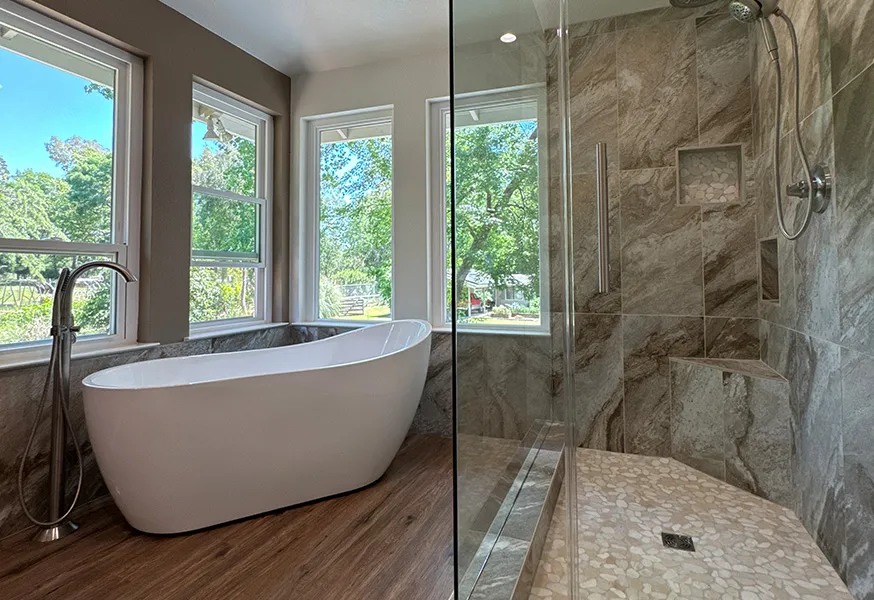
Home renovations are often viewed through the lens of aesthetic and functional improvement. We imagine the new marble countertops, the waterfall showerhead, or the open-concept kitchen. However, in many older homes—particularly those built before the 1986 ban on lead in plumbing—there is a hidden architectural history lurking behind the drywall.
While you might be focused on the new, the process of getting there often requires “disturbing” the old. One of the most significant risks during a remodel is the inadvertent agitation of lead solder. Even if your pipes aren’t made of lead, the “glue” holding them together likely is. Understanding how construction activities can release this neurotoxin into your family’s drinking water is the first step toward a safe renovation.
The Solder Secret: Why Copper Pipes Aren’t Always “Safe”
There is a common misconception that if a home has copper pipes, it is “lead-free.” This isn’t necessarily true. Up until the mid-1980s, the standard practice for joining copper pipes involved using lead-based solder. Solder is the filler metal that is melted to create a watertight seal at joints and elbows.
Over decades of use, a protective layer of mineral scale (calcium and magnesium) typically builds up on the inside of these pipes, effectively “sealing in” the lead solder from the water flow. Under normal, undisturbed conditions, this scale acts as a barrier. However, a renovation is anything but “normal” for your plumbing system.
The “Shockwave” Effect: How Vibration Releases Lead
When a contractor begins a renovation, they aren’t just working on one wall; they are vibrating the entire skeleton of the house. Hammering, the use of reciprocating saws (Sawzalls), and the removal of old flooring create significant structural vibrations.
These vibrations travel through the framing and directly into the plumbing. The brittle mineral scale that has been protecting you for thirty years can crack and flake off. When this happens, the lead solder is suddenly exposed to the water once again. More importantly, tiny “fines” or particulates of lead-laden scale are released into the water stream. These particulates can migrate to your kitchen tap, where they may be consumed before you even realize anything has changed.
Thermal Stress and Pipe Cutting
Renovations often require tying new plumbing into the old system. This usually involves cutting into existing lines and soldering new joints nearby.
The heat required to solder new copper fittings (using modern, lead-free solder) can travel down the pipe. This thermal conduction can melt or soften old lead solder joints further down the line or cause the internal scale to expand and contract rapidly, leading to further shedding of lead-contaminated debris. If your services include partial pipe replacement, the transition point between old and new is a high-risk zone for lead release.
Water Hammer and Pressure Shifts
During construction, the water is often turned on and off repeatedly. When water is suddenly shut off, it creates a “water hammer”—a pressure surge that sends a shockwave through the pipes. This physical force is often enough to dislodge lead solder beads or mineral scale that had been stagnant for years.
Furthermore, if your renovation includes a new high-flow water heater or high-pressure fixtures, the increased velocity of the water can “scour” the interior of the old pipes more aggressively than the previous low-pressure system did. This scouring effect can keep lead levels elevated for weeks after the contractors have left the site.
The Geography of Risk: Localized Infrastructure
In densely populated locations, the risk is compounded by the age of the municipal infrastructure. In many of our local boroughs, the connection from the street to the house (the service line) may also be made of lead.
When your home’s internal plumbing is being shaken or modified, it can also affect the stability of the lead service line connection. Even if you replace all the pipes inside your home, the disturbance at the water meter or the main shut-off valve can send lead particulates from the street into your brand-new plumbing. This is why water testing is a non-negotiable step for any homeowner in a historic district.
Why Lead Particulates are More Dangerous Than Dissolved Lead
Most water quality discussions focus on “dissolved” lead—lead that has melted into the water like sugar in tea. However, renovations often cause “particulate” lead release—tiny, microscopic “pebbles” of lead.
The danger of particulates is that they are highly concentrated. A single tiny flake of lead solder can contain enough lead to spike a sample well above the EPA action level. These particulates can also get trapped in the aerator screens of your new, expensive faucets, slowly leaching lead into every glass of water you pour for months or even years.
Protecting Your Family During and After a Remodel
If you are planning a renovation, you shouldn’t be discouraged, but you should be prepared. Here is a protocol to minimize lead exposure:
- Remove Aerators: During construction and for the first two weeks after completion, remove the aerator screens from all faucets. This allows any dislodged solder or scale to pass through the system rather than getting trapped and leaching.
- The “High-Volume Flush”: Once the work is done, run all cold water taps at full blast for at least 30 minutes. This helps clear out the heaviest particulates dislodged by the vibration.
- Use a Certified Filter: During the “settling” period after a renovation, use a water filter certified to remove lead (NSF/ANSI Standard 53) for all drinking and cooking water.
- Professional Assessment: Do not rely on your contractor’s “visual” inspection. Lead is invisible, tasteless, and odorless.
The Necessity of Professional Testing
While DIY kits exist, they are often unable to detect the “spike” of lead particulates that occur after a renovation. They provide a single snapshot that might miss the intermittent release of lead solder.
Professional laboratory testing provides a much higher level of sensitivity. It can distinguish between lead coming from the faucet itself and lead coming from the internal solder joints. For those managing residential properties, ensuring compliance with safety standards isn’t just a health matter—it’s a legal one.
Conclusion
A renovation should be a fresh start, not a hidden health risk. By understanding that old lead solder is a “sleeping giant” that is easily woken by the vibrations and thermal changes of construction, you can take the necessary steps to protect your home.
Don’t assume that new fixtures mean safe water. The only way to be certain that your renovation didn’t disturb old toxins is through a dedicated post-construction test. If you want to dive deeper into how different plumbing materials react to age, feel free to browse our blog for more technical breakdowns.
When your project is nearing completion, or if you’ve recently finished one, reach out to us via our contact page. We can provide a comprehensive analysis of your water, ensuring that your beautiful new renovation is as safe as it is stylish.