
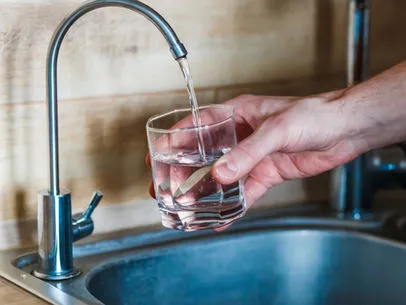
In New York City, most residents assume their tap water is among the safest in the country. The city’s drinking water system is widely praised for its quality, and millions of people rely on it daily without giving it much thought. But what many tenants don’t realize is that even when water leaves the municipal system clean, it can still change by the time it reaches a kitchen faucet.
That’s exactly what one tenant in the Bronx discovered after noticing something unusual in their apartment’s tap water. What started as a small concern about taste eventually turned into a lesson about how building plumbing, aging infrastructure, and water testing all play a role in protecting household water quality.
The experience also highlights why more renters across New York City are paying closer attention to what’s flowing from their faucets.
A Subtle Change in Taste
The tenant had lived in the same apartment building for several years. Located in a busy Bronx neighborhood, the building dated back to the mid-20th century and had undergone various renovations over time.
One evening while cooking dinner, the tenant noticed that the water from the kitchen faucet tasted slightly metallic. At first, it seemed like a minor issue—possibly related to the pipes or a temporary change in water pressure.
However, over the following weeks, the taste appeared intermittently. Sometimes the water seemed perfectly normal, while at other times it had a faint but noticeable difference.
Curious and slightly concerned, the tenant began researching possible causes.
Why Tap Water Can Change Inside Buildings
New York City’s water supply originates from protected reservoirs in upstate watersheds and is carefully monitored before entering the city’s distribution system. According to the U.S. Environmental Protection Agency, municipal utilities conduct extensive testing to ensure water meets federal safety standards before it reaches homes and businesses.
However, once water enters a building’s internal plumbing system, the situation can become more complex.
Factors that can influence water quality inside buildings include:
- Aging pipes or plumbing fixtures
- Corrosion within internal piping systems
- Sediment buildup in older plumbing
- Water that sits in pipes for extended periods
- Renovations that alter plumbing configurations
Even when city water is clean, interactions with these building components can sometimes introduce metals or other substances into the water before it reaches the faucet.
This is why professional water testing (https://olympianwatertestingnyc.com/water-testing/) often focuses on samples collected directly from the taps where residents actually drink and cook.
Taking the Next Step: Testing the Water
After discussing the issue with neighbors and the building superintendent, the tenant decided to request a professional water analysis.
Rather than relying on visual observations or assumptions, testing provides clear data about what may be present in drinking water.
During the process, samples were collected directly from the kitchen faucet under controlled conditions. These samples were then sent to a certified laboratory for analysis.
Testing panels can evaluate a wide range of potential issues, including metals, mineral levels, and other substances that may appear in building plumbing systems.
Services like those outlined on the services page (https://olympianwatertestingnyc.com/services/) help residents, property managers, and building owners evaluate water conditions within apartments and residential buildings.
For the tenant, the goal wasn’t to confirm a specific problem—it was simply to understand what was happening.
What the Results Showed
When the results arrived, they provided valuable insight.
The water entering the building from the municipal supply remained within normal quality standards. However, samples taken directly from the tenant’s kitchen faucet showed slightly elevated metal levels associated with plumbing corrosion.
The issue was not widespread throughout the entire building, but appeared to be related to a specific section of piping connected to that apartment line.
This discovery was important because it showed that the source of the problem wasn’t the city water system itself—it was the building’s internal infrastructure.
Situations like this are not uncommon in older urban buildings where plumbing materials may have been installed decades earlier.
Why Building Plumbing Matters
Many New York City apartment buildings were constructed long before modern plumbing standards were introduced. Over time, pipes may be replaced, repaired, or modified, sometimes resulting in mixed plumbing materials throughout a building.
These materials can interact with water chemistry in different ways.
For example:
- Older pipes may contain lead solder or aging brass fixtures
- Copper piping can release small amounts of metal if corrosion occurs
- Iron pipes may produce sediment or discoloration over time
Professional testing helps determine whether these factors are affecting the water reaching residents’ taps.
Information about water safety and building compliance requirements can also be found in the compliance section (https://olympianwatertestingnyc.com/compliance/), which outlines regulations and best practices for maintaining safe drinking water systems.
Working With Building Management
Once the test results were available, the tenant shared the findings with building management. Rather than dismissing the concern, the property manager took the issue seriously and arranged for a plumbing inspection.
A licensed plumber evaluated the affected line and identified several aging fixtures and connectors that had likely contributed to the elevated metal readings.
Those components were replaced, and the plumbing system was flushed to remove any remaining sediment.
After the repairs were completed, a second round of water testing confirmed that the issue had been resolved.
For both the tenant and building management, the process demonstrated how testing can help pinpoint problems quickly and guide effective solutions.
Why More NYC Residents Are Testing Water
Stories like this one are becoming more common across New York City. While the city’s water supply is highly regarded, residents are increasingly aware that conditions inside individual buildings can vary.
Tenants and property owners alike are turning to independent testing to verify water quality within their specific apartments.
Professional testing providers serving the city’s neighborhoods—including the boroughs (https://olympianwatertestingnyc.com/boroughs/) throughout New York—help residents evaluate water systems in both residential and commercial buildings.
By focusing on the actual points of use, testing programs provide a clearer picture of what people are drinking every day.
A Lesson in Transparency
For the Bronx tenant, the situation ended positively. The problem was identified, repairs were made, and follow-up tests confirmed that the water quality had improved.
But the experience also changed how the tenant thought about water safety.
Instead of assuming that all tap water conditions are identical throughout a building, the tenant realized that individual plumbing systems can influence water quality in subtle ways.
This awareness is encouraging more residents to ask questions and learn about the systems in their homes.
Updates and educational resources about testing and water quality in New York City buildings are regularly shared on the blog (https://olympianwatertestingnyc.com/blog/), helping residents stay informed about potential issues and solutions.
Why Local Testing Matters
Large cities like New York have complex water infrastructure, and every building interacts with that infrastructure differently.
Local testing services understand the unique challenges of older buildings, mixed plumbing materials, and city-specific regulations.
Information about testing availability across different neighborhoods can be found on the locations page (https://olympianwatertestingnyc.com/locations/), which outlines areas where testing services are offered.
By focusing on the local environment and building conditions, these services provide more accurate insights than generalized assumptions about water quality.
When Tenants Should Consider Testing
Not every change in water taste or appearance indicates a serious problem. However, certain signs may justify further investigation.
Tenants may consider water testing if they notice:
- Metallic or unusual tastes
- Discoloration or sediment
- Recent plumbing work in the building
- Long periods of water stagnation in pipes
- Health concerns related to drinking water
Testing provides objective data that can help determine whether these observations are related to plumbing conditions or simply temporary variations in water use.
Turning Questions Into Answers
For the Bronx tenant, a simple question about taste turned into an opportunity to better understand how water moves through a building.
The experience also reinforced an important point: water safety doesn’t stop at the city supply. It continues through the pipes, fixtures, and systems inside every building.
Professional testing bridges the gap between those systems and the people who rely on them.
Residents who want to learn more about water quality, schedule testing, or discuss concerns about their building’s plumbing can explore resources at Olympian Water Testing NYC (https://olympianwatertestingnyc.com/) or reach out through the contact page (https://olympianwatertestingnyc.com/contact/).
Sometimes, the most important discoveries start with a small observation—like the taste of water from a kitchen faucet—and lead to solutions that improve safety for everyone in the building.