
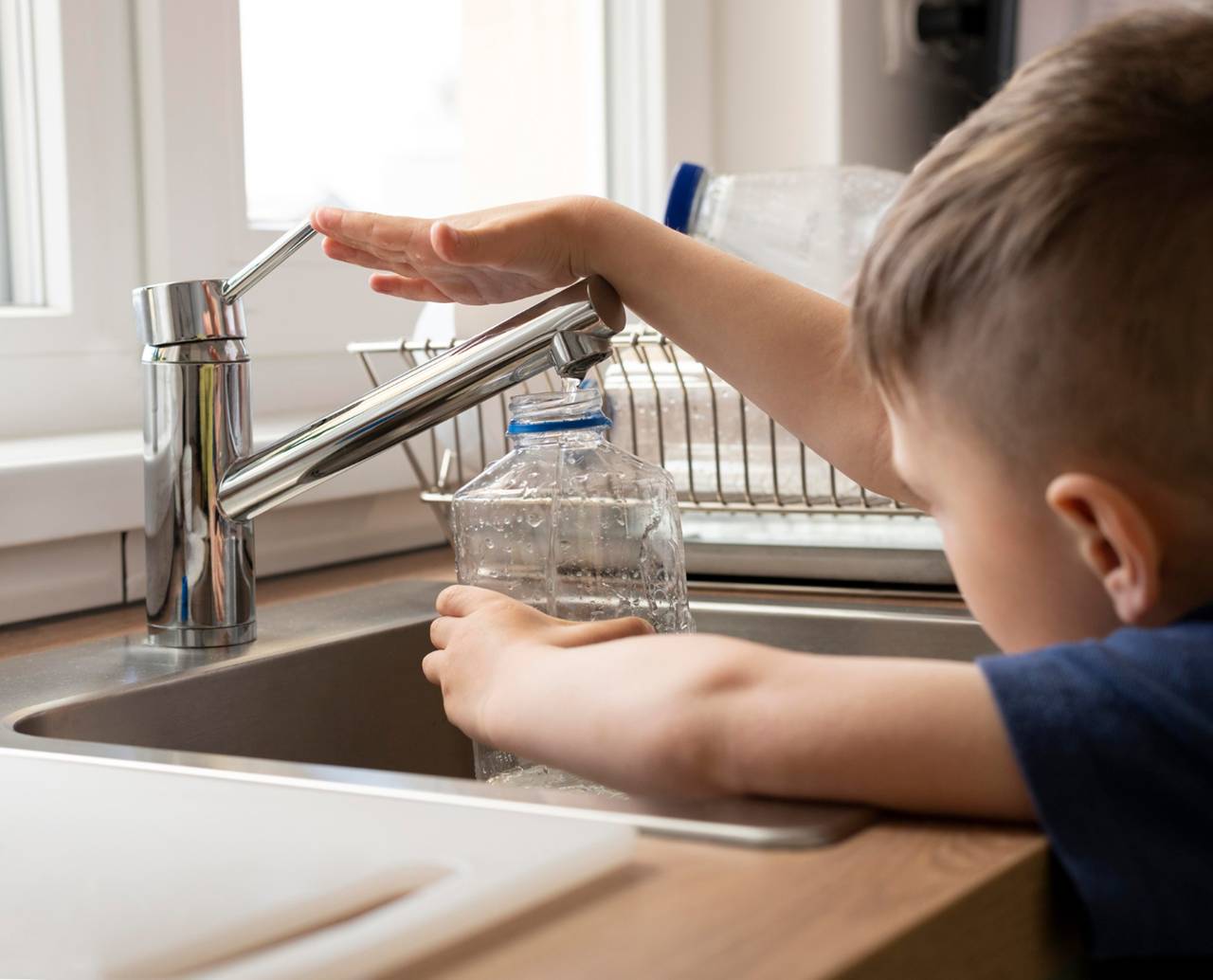
Have you recently noticed that your tap water has a strong bleach-like smell? Many New Yorkers have experienced this surprising phenomenon, especially after routine municipal water maintenance or changes in plumbing. While an odor reminiscent of bleach can be alarming, it does not automatically indicate that your water is unsafe. Understanding why water smells like bleach, what it means for safety, and the steps you can take to protect yourself is essential for any homeowner or tenant.
Why Tap Water Can Smell Like Bleach
Municipal water systems commonly use chlorine as a disinfectant to eliminate bacteria, viruses, and other pathogens. Chlorine is highly effective in keeping water safe to drink, but it can leave a noticeable scent when concentrations are temporarily elevated. Some of the main reasons for a bleach-like smell include:
- Routine water treatment: Water utilities may adjust chlorine levels to maintain disinfection standards.
- Pipe maintenance or flushing: Work on water mains or distribution lines can stir up sediment, temporarily increasing chlorine levels.
- Temperature and seasonal changes: Chlorine residuals can vary with water temperature, affecting taste and odor.
- Stagnant water: Water sitting in pipes for extended periods can absorb more chlorine, intensifying the smell.
Even when water smells strongly of bleach, the underlying purpose is to ensure microbiological safety. The Environmental Protection Agency (EPA) regulates chlorine levels to maintain a balance between effective disinfection and consumer palatability. (epa.gov)
When a Bleach Smell Is Safe
Typically, a mild to moderate bleach odor in tap water is safe, especially if:
- The water is clear with no unusual color or sediment.
- There is no chemical taste beyond a faint chlorine flavor.
- The smell appears after known maintenance or flushing events in your neighborhood.
In these scenarios, the chlorine concentration is within the regulatory limits set for safe consumption. However, persistent or unusually strong odors may warrant further evaluation, particularly for households with children, elderly residents, or sensitive individuals.
Factors That Can Affect Chlorine Levels in Your Home
While municipal water meets safety standards, internal plumbing and building infrastructure can influence how much chlorine reaches your tap:
- Pipe material and age: Copper or galvanized pipes can interact with chlorine, sometimes causing stronger odors.
- Low water usage: Stagnant water in rarely used taps or vacation homes can have elevated chlorine levels.
- Fixture types: Aerators, filters, and mixing valves may affect chlorine distribution, altering perceived smell.
These factors highlight the importance of understanding both municipal water treatment and internal plumbing to evaluate water quality accurately.
When to Consider Professional Water Testing
If your water smells strongly of bleach for more than a few days, or if you notice additional issues such as taste changes, discoloration, or metallic flavors, professional water testing is highly recommended. Certified testing can measure:
- Chlorine concentration
- Metals such as copper, lead, or iron
- pH and chemical balance
- Microbial contaminants
Reliable water testing (https://olympianwatertestingnyc.com/water-testing/) can help distinguish between harmless residual chlorine and more serious water quality concerns. Scheduling testing through professional services ensures accurate results and expert guidance for remediation if necessary.
Practical Steps for Residents
Even if chlorine levels are within safe limits, there are simple measures you can take to reduce the bleach odor and improve the taste of your tap water:
- Run cold water: Flushing your taps for several minutes can help reduce chlorine concentration in stagnant water.
- Use point-of-use filters: Activated carbon filters can remove chlorine and improve taste while maintaining microbiological safety.
- Check fixture condition: Regular cleaning of faucets, aerators, and valves prevents sediment accumulation that can affect water odor.
- Schedule periodic testing: Periodic evaluation ensures that chlorine and other water quality parameters remain within safe levels.
For residents in multi-unit buildings or older homes, coordinating with building management can help address systemic issues affecting water throughout the property.
Neighborhood Considerations in New York City
Chlorine levels and water taste can vary by neighborhood due to differences in distribution lines, building age, and local infrastructure. Residents can learn more about water characteristics in their specific borough (https://olympianwatertestingnyc.com/boroughs/) to better understand why tap water may smell like bleach in certain areas and not in others.
Regulatory Context and Safety
The New York City Department of Environmental Protection ensures that water leaving treatment plants complies with federal and state standards. However, internal plumbing can affect the final water quality, making occasional taste or odor variations possible. Reviewing compliance guidelines (https://olympianwatertestingnyc.com/compliance/) can help residents understand what constitutes safe chlorine levels and when to take additional precautions.
The Value of Awareness and Action
A bleach-like smell is often a normal part of water treatment, but it also serves as a reminder to monitor water quality actively. Professional testing, preventive maintenance, and simple home measures empower residents to maintain safe, clean, and pleasant tap water.
For those concerned about persistent chlorine odor or other water quality issues, certified experts are available to provide testing, consultation, and remediation strategies. Scheduling assistance is available through the contact page (https://olympianwatertestingnyc.com/contact/).
Conclusion
Tap water that smells like bleach is usually safe, reflecting the presence of chlorine used to protect public health. However, strong or persistent odors should not be ignored, as they may indicate unusual chlorine levels or interactions with building plumbing. By combining professional water testing, preventive maintenance, and filtration solutions, residents can ensure that tap water is both safe and enjoyable.
For more resources, case studies, and expert insights on water safety in New York City, explore the blog (https://olympianwatertestingnyc.com/blog/) to stay informed about maintaining quality water in your home.